


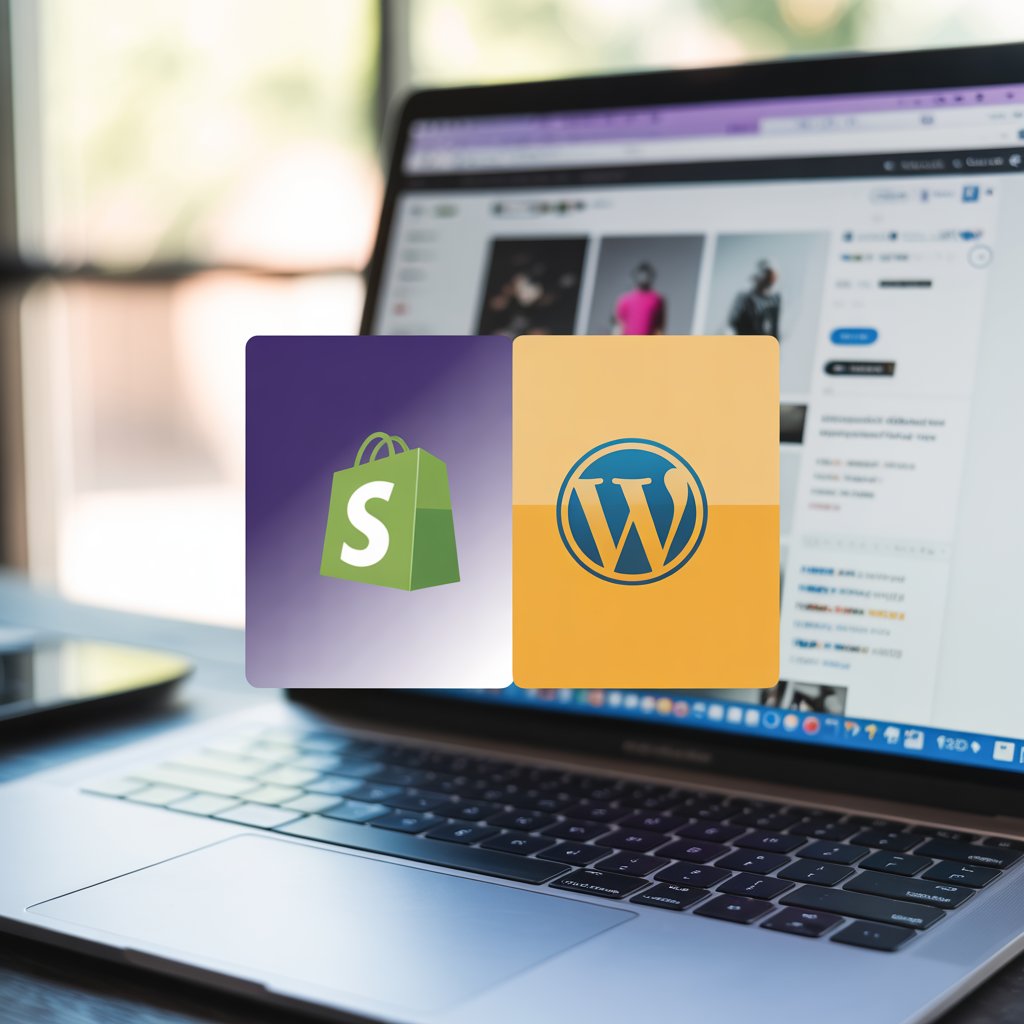
Shopify vs WordPress : Which is Better For Ecommerce SEO?
-
Updated Date
Aug-20-2026
-
Views
2 Min Read
-
Author: PromotEdge Digital
-
Updated Date: Aug-20-2026
-
Views: 2 Min Read
-
Author: Milan Shyamal
Choosing the right platform for your e-commerce store is an important business decision -especially in 2025, when SEO visibility, user experience and scalability can create or break your success online.
Whether you are launching a new store or wanting to expand aggressively, choosing between Shopify and WordPress with WooCommerce, will have a direct impact on your development, performance and profitability.
Your e-commerce platform just defines what your site looks like. This affects how customers navigate your store, how easy you can manage products and payments, and how good you performs in search engine rankings.
For companies that rely on organic traffic and content-driven ecommerce, it is necessary to choose a CMS that supports advanced SEO performance and material strategies. If you are working with a full-service digital marketing agency, platform compatibility and long-term scalability become even more important.
In this detailed guide, we will discover Shopify vs WordPress in 7 essential categories – to help you choose the best platform for use with our tags, budget, and marketing strategy for ease of use, design flexibility, e-commerce functions, SEO capacities, material marketing, safety and cost for 2025.
Shopify vs WordPress: Which Is The Best Option?

1. Ease of Use & Setup
Shopify
Shopify offers a hosted platform that removes the problem of setup. You do not have to worry about hosting, backup, SSL certificate or CMS update.
This platform offers a beginner-friendly website builder, drag-and-drop functionality and an e-commerce template online. If you want to start quickly and focus on sales, Shopify is a great option.
WordPress (with WooCommerce)
Meanwhile, WordPress e-commerce with WooCommerce requires several stages. You need to buy hosting, install WordPress, configure WooCommerce and manage plugins.
This can be challenging for beginners, but it provides full flexibility and adaptation. If you are working with professional website designers and developers, then it is the ideal platform.
Verdict
Shopify ecommerce wins for ease of setup, mainly for those who want to start quickly for non-technical users or small teams.
2. Design & Customization Flexibility
Shopify
Shopify themes are polished and responsible, but the adjustment is limited until you are comfortable with Shopify Liquid. You can make changes through the theme editor, but significant adjustments often require developer support. The platform offers decent layout options, but is not as flexible as WordPress.
WordPress
WordPress website design stands out for its unlimited ability. With drag-and-drop builders, such as Elementor, Divi, and Gutenberg, you can completely customize the side layout without writing a code line. You have access to thousands of subjects for e-commerce, portfolios and blogs.
This flexibility is one of the key reasons businesses choose WordPress development services when they need a website tailored to their unique design and functionality requirements.
Verdict
WordPress wins in this category. WordPress website customization is the best option for businesses looking for creative freedom and visual storytelling.
3. Ecommerce Features & Scalability
Shopify
Shopify is targeted to sell online. You get tools for inventory management, sale of multiple channels, shipping, tax and abandoned wagon recovery.
The spontaneous payment gateway integration, including Shopify Payment, reduces the friction for customers. Scalability is the place where Shopify really shines. Whether you sell 10 or 10,000 products, it is fast and reliable.
WordPress
With WooCommerce plugins, WordPress gives more flexibility, so you can sell physical, digital or membership products. You can expand features using plugins for ordering, membership or marketplace.
However, quick buzz, CDN integration and practical server optimization may be necessary to achieve store level performance.
Verdict
For quick scalability and strong indigenous features, Shopify is best. But for advanced adaptation, WordPress gives you more options.
4. SEO Capabilities
Shopify
Shopify has a decent SEO foundation – it supports metadata control, mobile optimization and clean coding. However, the rigid URL structure (like /collections/ or /products/) limits flexibility. The reliance on third-party apps, like SEO Manager as third-party apps for technical improvement are another fault.
This is enough for beginners, but is not ideal for advanced strategies, especially if you are adapted to a content-driven store.
WordPress
WordPress SEO is much better. Plugins like Yoast SEO and Rank Math give you control of each SEO element – from Schema markup and sitemaps to ingredients hierarchy and breadcrumbs. You can customize the URLs, manage redirect and composition of your site may like how Google prefers.
This makes WordPress ideal for companies focused on organic traffic. If you are looking for the reasons for invest in SEO for long -term development, WordPress fully supports these strategies.
Verdict
WordPress dominates here, offering technical SEO tools and a complete customization suit that simply cannot match Shopify.
5. Content Marketing Potential
Shopify
Shopify provides a basic blogging tool, but it lacks an effective material required for an effective content marketing funnel. There is no underlying editorial calendar or category hierarchy, and often requires a third -party app to integrate advanced blog features.
WordPress
WordPress began as a blog platform, so it’s not surprising in this area. You can create strong ecommerce content marketing strategies, structure long-term articles, create column pages and effectively manage a material plan. Media management and tagging systems are also good for SEO.
Verdict
If the material plays an important role in your e-commerce development, WordPress is a smart investment.
6. Security & Maintenance
Shopify
Security is the place where Shopify wins a lot. It takes care of SSL encryption, PCI contamination, backups and platform updates. You don’t have to worry about installing something or patching weaknesses – everything is controlled for you.
WordPress
With WordPress, safety and maintenance are your responsibility. You need plugins like Wordfense or Sucuri, regular updates to core and plugin files, and a good hosting supplier. Although the right tools are not difficult, it is not in the form of Shopify that hands.
Want to be safe and benefit from modern facilities? Learn about the latest WordPress web development trends.
Verdict
Shopify wins for convenience and security. But if you use the right protocol, WordPress can also be done very safe.
7. Cost Comparison
Shopify
Shopify plans begin at $39/month, but costs can increase rapidly when adding premium apps and custom themes. If you do not use Shopify payments, the transaction fee also applies. The repetitive character of these claims can increase over time.
WordPress
WordPress is free, but you pay for hosting, domains and premium plugins/themes. If you manage it yourself, it is usually more cost -effective. And when considering flexibility and SEO benefits, back to investment often takes over a store.
See a complete overview of WordPress website development costs for a realistic budget.
Verdict
WordPress provides better value over time, especially for companies planning long-term development with materials and SEO.
Conclusion: Which Platform Should You Choose?
Shopify and WordPress with WooCommerce are both powerful e-commerce platforms, but the best option finally depends on business goals, technical resources and long-term vision.
If you are looking for a full hosted solution, choose Shopify, which lets you start quickly, manage your store easily and avoid complications of maintenance and technical setup. It is ideal for small businesses or entrepreneurs who want a streamlined, without platform.
On the other hand, if you emphasize the site’s design, structure and complete control over SEO opportunities, select WordPress. There is a better alternative for companies that prioritize content-driven marketing, SEO performance and future scalability.
If you are planning a customized building or advanced features, partner with one of the top WordPress development companies can increase the results.
By 2026, your platform should be just more than selling the product – it will support your strategy, be on a scale of your business and run long-term success.
FAQs
-
Can I migrate from Shopify to WordPress later?
Ans.Yes, migration is possible. Many tools and services can move your products, materials and SEO settings from Shopify to WordPress search on your site without any disruption in visibility. -
Is Shopify better for beginners?
Ans.Yes, Shopify is ideal for beginners. Its user -friendly interfaces, built features and managed hosting are easy to launch and run an online store without technical skills. -
Which platform is cheaper?
Ans.WordPress is often cheaper for a long time. While Shopify has fixed the monthly fee, WordPress allows more budget control if you manage hosting, plugins and development freely or with cheap support. -
Which platform is better for SEO in 2025?
Ans.WordPress is better for SEO in 2025. It provides maximum flexibility, powerful plugins such as Rank Math, full control over content, URLs and structure - correct for organic growth strategies. -
Which platform does PromotEdge Digital recommend?
Ans.PromotEdge Digital recommends WordPress with WooCommerce for companies that focus on materials and adaptation.
Author Details

Latest Posts
-
 29 / Jul
Search Engine Optimization 6 Enterprise SEO Mistakes That Quietly Cost You Millions
29 / Jul
Search Engine Optimization 6 Enterprise SEO Mistakes That Quietly Cost You Millions -
 24 / Jul
-
 23 / Jul
Search Engine Optimization How to Improve Organic SEO: A Practical 2026 Guide
23 / Jul
Search Engine Optimization How to Improve Organic SEO: A Practical 2026 Guide -
21 / Jul
Search Engine Optimization Organic SEO vs Paid SEO: Which Is Better in 2026?
-
18 / Jul


Blogs
Journey into Ideas Unveiling Tomorrow's Insights Today.



FAQ's

FAQ’s
-
Can I migrate from Shopify to WordPress later?
Ans.Yes, migration is possible. Many tools and services can move your products, materials and SEO settings from Shopify to WordPress search on your site without any disruption in visibility. -
Is Shopify better for beginners?
Ans.Yes, Shopify is ideal for beginners. Its user -friendly interfaces, built features and managed hosting are easy to launch and run an online store without technical skills. -
Which platform is cheaper?
Ans.WordPress is often cheaper for a long time. While Shopify has fixed the monthly fee, WordPress allows more budget control if you manage hosting, plugins and development freely or with cheap support. -
Which platform is better for SEO in 2025?
Ans.WordPress is better for SEO in 2025. It provides maximum flexibility, powerful plugins such as Rank Math, full control over content, URLs and structure - correct for organic growth strategies. -
Which platform does PromotEdge Digital recommend?
Ans.PromotEdge Digital recommends WordPress with WooCommerce for companies that focus on materials and adaptation.